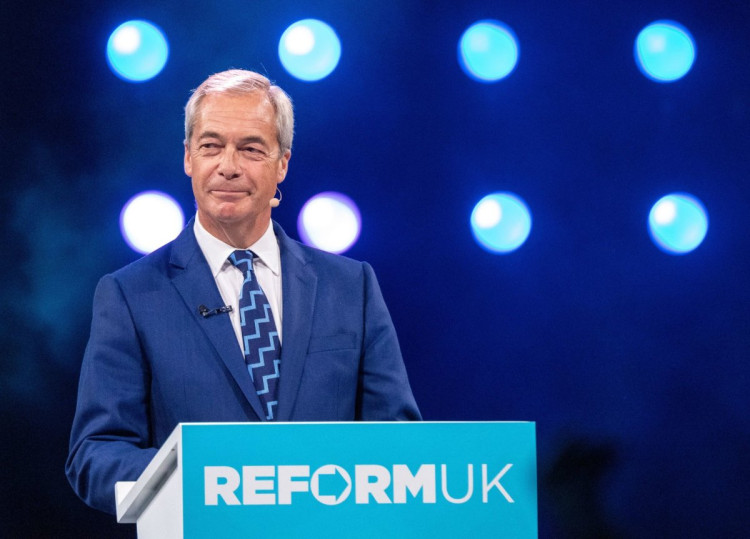
As the dust settles on Reform UK’s party conference, we look at the longer-term implications beyond the headlines.
Reform had planned for its party conference to demonstrate its evolution from insurgent force to a party preparing seriously for government. There were substantive announcements, such as the proposal to raise the tax-free personal allowance, alongside policy papers covering areas from energy to wider economic reform. Party HQ had clearly invested more in building out a policy platform and presenting a more developed offer than at last year’s conference.
The party is showing a greater willingness to engage with business as it develops its policy offer. Senior staff indicated that they are open to hearing directly from industry and taking briefings at Reform HQ, potentially creating a more meaningful route into policy development than has previously existed. On financial services for example, whilst we heard frustration from some businesses about the unpredictability of their stance on issues such as inheritance tax, we understand a new FS lead is working to quickly substantiate the party’s thinking.
However, the conference also demonstrated that the party’s capacity to turn that openness into consistently effective engagement is still nascent. Companies that paid to attend Business Day came away frustrated by long delays to the agenda and limited opportunities for meaningful discussion. Simply attending a political event without clear, focused outcomes is insufficient for businesses trying to build relationships across an increasingly fragmented political landscape.
This reflects a wider resource challenge. Reform’s small group of most prominent figures cannot be everywhere at once, although they certainly tried. The party officials, councillors and devolved representatives brought enthusiasm and energy, but were less able to offer clarity on policy direction. They also remained a relatively rare presence on the panel and reception circuit, limiting the number of credible routes into the party for businesses and other stakeholders.
The conference was overshadowed by Channel 4’s donations investigation - a media story that bled into multiple news cycles. The noise outside the conference hall drowned out much of what was said within it, proving a major distraction for a party trying to present itself as a force ready to govern.
Whilst this story did not cut through to the party membership on the ground, they are arguably not the audience that really matters. Reform’s challenge is to broaden its appeal, reassure more cautious voters and demonstrate that it has the credibility and resilience required of a potential party of government.
For many, the furore has reinforced a wider concern about Reform’s ability to govern. The party remains highly dependent on Nigel Farage personally, with a relatively thin senior operation around him. The suspension of senior aides raises questions not only about reputational judgement, but also about the depth and robustness of the organisation behind its leader.
The test now for Reform is how to consolidate two distinctive ambitions: maintaining the challenger energy that has seen it rise up the polls, at the same time as developing the operations and discipline needed to be taken seriously as a party that wants to govern. This is a party whose infrastructure still needs to catch up with its ambition.