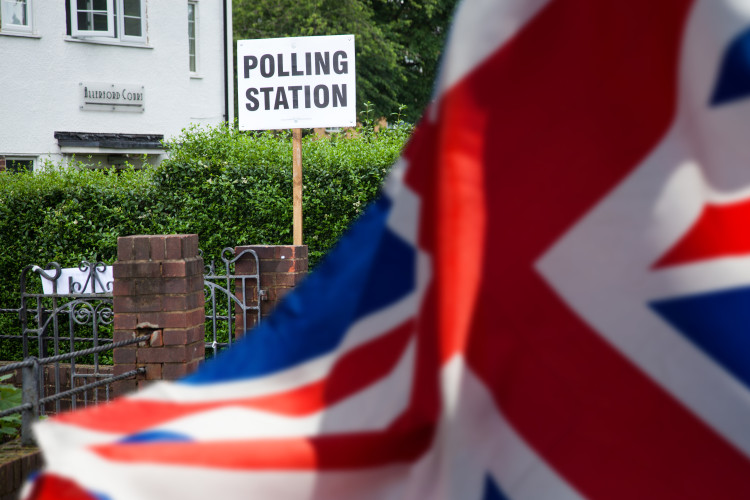
After a febrile few months in which every day seemed to bring new dangers for Keir Starmer, there is an uneasy sense of calm as the results of yesterday’s elections flood in. Despite huge Labour losses, the PM has insisted he is going nowhere. There are yet to be any resignations from the government. Even the financial markets, which have become highly attuned to domestic political turmoil, are relatively steady.
Starmer hangs on, for now
But this story is far from over. Labour is on course to finish a humiliating third in Wales after leading the country’s devolved government continuously since 1999. Its hopes of mounting a serious challenge to the SNP in Scotland have ended in failure. The party looks set for a hammering in several inner London boroughs after a high-profile loss in Hackney earlier in the afternoon. All this follows dire losses to Reform in Merseyside and Greater Manchester, areas represented by the likes of Angela Rayner. These losses hit right at the core of Labour’s base in the House of Commons.
For the time being, mainstream Labour MPs are not breaking cover to call for the PM to go. That, coupled with public declarations of support from ministers, suggests Starmer has a stay of grace in the short-term. But a carefully-timed briefing to the Times that the influential Energy Secretary Ed Miliband urged the PM to set a timetable for his departure suggests his support in the Cabinet – constitutionally vital to his survival – is precarious.
Is there anything Starmer can do to shore up his position? The first option is a reshuffle, bringing Rayner back from the cold. That could forestall a challenge from the ex- deputy PM and make it harder for the other two leading contenders - Wes Streeting or Andy Burnham – to dethrone him. But there are risks. Rayner declining a role would be a significant loss of confidence in the PM, while accepting might require him to make changes to the frontbench which some Labour MPs warn would increase the number of malcontents on the backbenches.
The second option is to embark on a more ambitious policy reset, starting with the King’s Speech. Several Labour MPs we speak to have long wanted to see the PM go further and faster in rebuilding ties to the EU. Others would like to see a more liberal approach to immigration after absorbing intense frustration from Labour voters about Shabana Mahmood’s reforms to leave to remain. But today’s results will encourage MPs facing the threat of Reform to push back – leaving Starmer a prisoner of the same splits that have led him and his party to the mess they are in now. With the public already having been subject to several resets of a Government less than two years old, it remains to be seen whether voters will buy it.
Reform’s Red Wall Raid
All this is catnip for Reform – the undisputed winners of the week. With huge gains in areas like Merseyside and the Humber, the party now has a solid base in former industrial regions which Nigel Farage could only dream of when he led its pro-Brexit predecessors. The Reform leader’s speech this morning, emphasising energy security and the need for the UK to maintain capacity in sectors like refining, sends a clear signal about the voters the party will prioritise as it hones its offer for the next general election.
Farage’s team will also be pleased at how they performed in other parts of the UK. In the Scottish and Welsh Parliaments, the party has emerged as major force in opposition, giving it a platform to woo socially conservative voters unhappy with left-leaning nationalist governments at the next Westminster election. Reform will also be broadly happy with their progress against the Conservatives, particularly its impressive takeover of Essex County Council.
Yet there are small warning signs. Both the Conservatives and Labour have seen big gains in Red Wall areas vanish in a single electoral cycle. Sources familiar with Reform’s thinking told us Farage wanted to use these contests to establish his party as the only viable choice on the right come the next general election. Conservative resilience in more affluent parts of Southern England, and the party’s strong performance in London, suggest he did not entirely succeed in that aim.
A less United Kingdom?
And there is something more which all parties – and businesses – should be thinking about following these elections. Coverage of Starmer’s future and the rise of Reform and the Greens has obscured one uncomfortable new reality – that three of the four nations that make up the UK will now probably be led by parties who oppose it continuing in its current form.
This does not mean the breakup of the UK is imminent – the Labour Government in Westminster is highly unlikely to concede further devolution, let alone independence referendums or border polls. But it will make the country harder for Starmer to govern in the short-term, and sets the table for an even more divisive, identity-driven contest come 2028-9. That may be the biggest consequence of these much-hyped elections.
katedarkins-2.jpg)